

1 September 2026 · 4 min read
Applicant Tracking System (ATS): Frequently Asked Questions
Everything you need to know about Applicant Tracking Systems: what they do, whether you need one, how much they actually cost, and why most ATS platforms weren't built for how hiring works in Egypt.

Qarar Research Team
The Qarar Research Team gathers and analyzes current research and data in HR and recruitment, to deliver content grounded in real evidence, not opinion or impression.

What is an ATS?
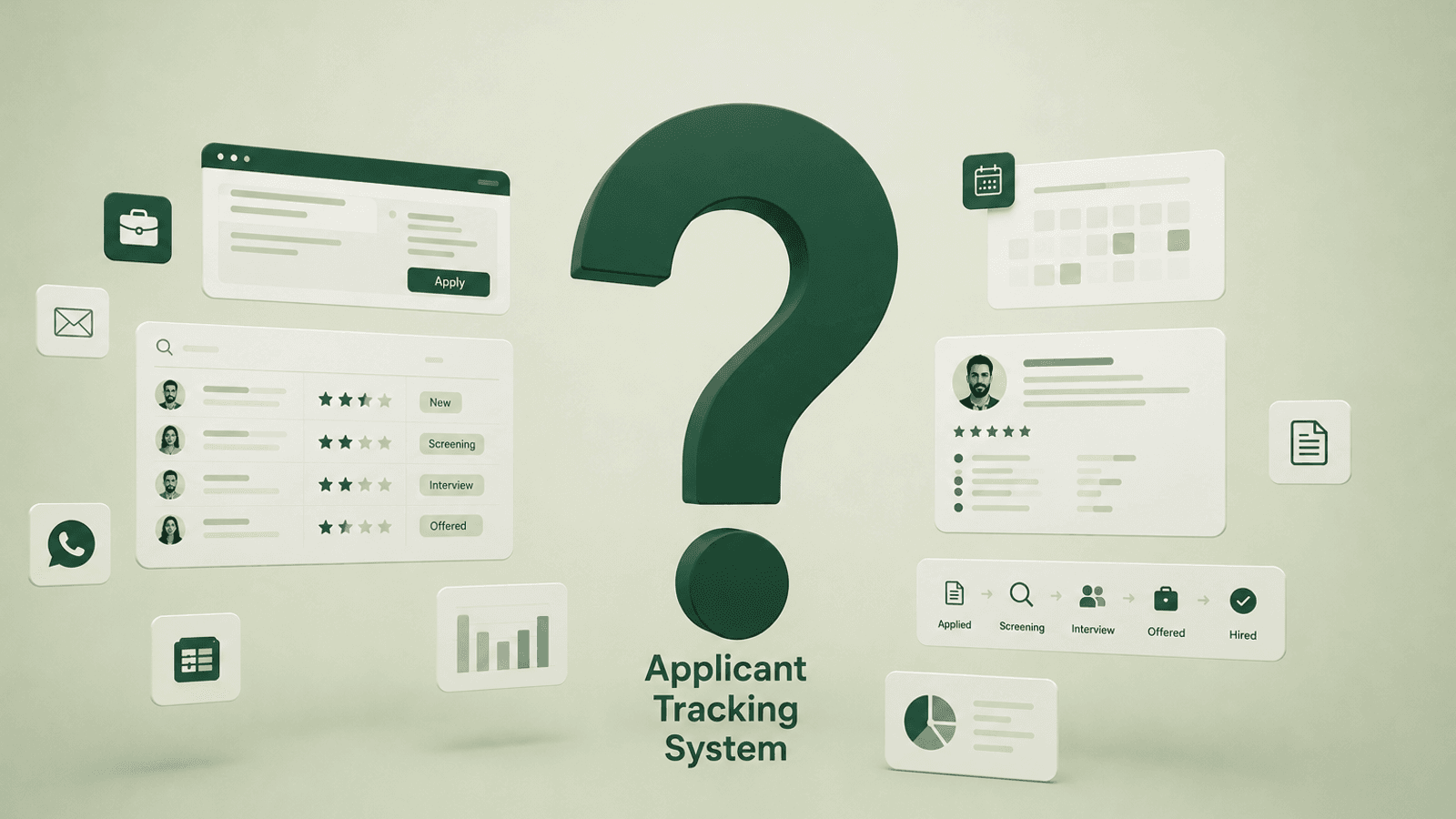
An ATS, or Applicant Tracking System, is software that manages the hiring process in one place. Instead of tracking candidates across email, WhatsApp, and spreadsheets, an ATS lets you post a job, collect applications, review and score candidates, schedule interviews, and send offers, all from a single system.
Do I actually need an ATS if I'm a small or mid-sized company?
If you're hiring for more than one role at a time, or if you've ever lost track of a candidate, forgotten to follow up, or had two people on your team unsure who rejected whom, the answer is yes. An ATS isn't only for large enterprises. In fact, small and mid-sized teams often feel the chaos of manual hiring more acutely, because there's no dedicated recruiter whose full-time job is keeping the mess organized.
How much does an ATS cost?
Globally, pricing typically ranges from $15 to $75 per user per month for small business tools, rising to $200 to $600+ per user monthly for enterprise platforms. Most of this market charges per seat, meaning the cost multiplies with every person on your hiring team who needs access. In Egypt specifically, most companies aren't using any dedicated ATS at all, which means the real cost isn't a subscription fee, it's the hours lost to manual tracking, lost CVs, and slow, inconsistent hiring decisions.