

1 September 2026 · 5 min read
How to Optimize Your CV for ATS Screening (Without Making It Worse)
Practical, honest advice for navigating AI-driven hiring, from someone building the systems that do the screening.
Qarar Research Team
The Qarar Research Team gathers and analyzes current research and data in HR and recruitment, to deliver content grounded in real evidence, not opinion or impression.

Understand what's actually screening you first
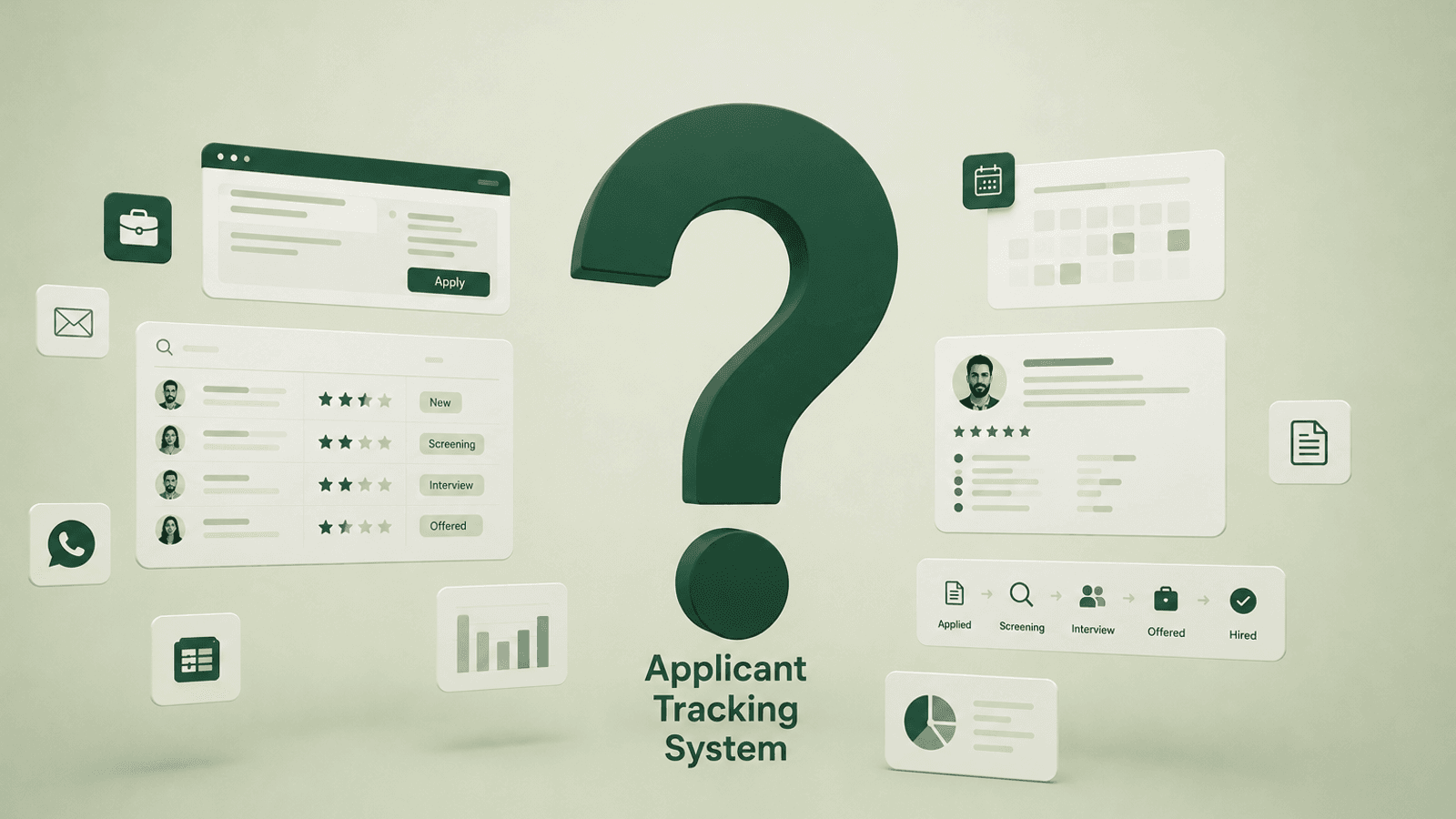
Most job seekers imagine an ATS as a rigid keyword filter that either accepts or rejects a CV based on exact word matches. That was true of older systems. Modern AI-driven screening is more sophisticated, and increasingly evaluates context and evidence, not just word frequency. This matters because a lot of common CV advice is built for a system that's already becoming outdated.
What actually helps
Be specific, not just accurate. Instead of "managed a team," write "managed a team of 6 during a product launch." Specificity gives both AI systems and human reviewers something concrete to evaluate, and it's far harder to fake convincingly than a vague claim.
Match your language to the role, honestly. If the job description uses a specific term for a skill you genuinely have, use that same term. This isn't manipulation, it's making sure a real match is actually visible to whatever's reading it.
Structure matters more than people think. Clear section headings, consistent formatting, and a logical order help both AI parsers and human reviewers scan quickly. A creative, unconventional layout might look distinctive to you and unreadable to a parser.
Expand your descriptions, don't shrink them. Some older advice says to keep every line brief. In practice, a short, vague bullet gives a screening system very little to evaluate you on. A few precise sentences that show real evidence of what you did will usually score better than a clipped fragment.


